VideoMenu — QR Video Menu SaaS
Live Preview
 Classic
 Signature
Favorites
Banana Matcha Latte
TRY 255.00Spanish Latte
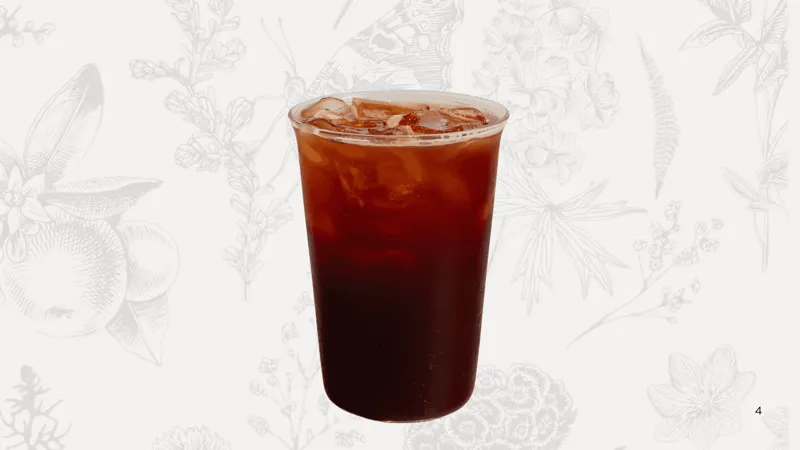
TRY 240.00Espresso Tonic
TRY 220.00Pistachio Quattro Latte
TRY 265.00Tech Stack
Overview
VideoMenu is a production SaaS for restaurants: each business gets a QR-code-driven digital menu where dishes and sections are presented as short autoplay videos instead of static photos. Two visual templates ("Classic" and "Spotlight") render the same data differently, so a restaurant can pick the look it wants. The product has two surfaces over one database — a public menu scanned via QR, and a private dashboard where owners and super-admins manage content. All UI copy is bilingual (Turkish default, English).
Built on Next.js 14 App Router with server components by default, Supabase (Postgres + Auth + Storage) for data and media, and a template registry abstraction that decouples menu routes from rendering. Menu media are short videos served from Supabase Storage and fronted by an optional edge CDN pull-zone that cuts storage egress and speeds up delivery, with lazy, intersection-driven playback and a capped playback queue to limit simultaneous decodes on mobile. Menu content is stored bilingually with optional DeepL machine translation, multi-tenant access is enforced with Postgres RLS, and the whole thing is deployed on Vercel at video-menus.com.
Challenges
- Playing many short videos at once on mobile without janking — uncontrolled autoplay would overwhelm the device's decoders
- Serving one menu in two completely different visual templates from the same database without forking the route logic
- Multi-tenancy: super-admins managing many restaurants while owners stay scoped to their own, enforced safely on the server
- Serving video-heavy menus without runaway storage egress and bandwidth costs as traffic grows
Solutions
- Decoupled a wide IntersectionObserver buffer ring from a ratio-ranked playback queue that caps how many clips actually play (MAX_PLAYING), with first-frame posters so cards paint instantly
- Built a template registry where a restaurant's menu_template column selects the renderer; routes never import template components directly
- Used Supabase Auth + Postgres RLS with a server-side dashboard context resolver and a service-role admin client for super-admin-gated owner provisioning
- Routed all menu media through an edge CDN pull-zone in front of Supabase Storage, rewriting URLs on the server read path to cut egress and serve videos from the edge